

WHO says Nipah virus spread risk from India is low, rules out travel curbs
New Delhi, Jan 30: After India reported two cases of the Nipah virus, the World Health Organization (WHO) said on Friday that the risk of the virus spreading from the country is low and that it does not recommend any travel or trade restrictions.
The statement comes even as Thailand, Taiwan and Nepal have reintroduced Covid-style health screening measures following reports of the virus.
The Union Health Ministry said on Tuesday that only two confirmed cases of Nipah virus disease have been reported in West Bengal since December last year, and that all identified contacts linked to the cases have tested negative.
“It has been observed that speculative and incorrect figures regarding Nipah Virus Disease (NiVD) cases are being circulated in certain sections of the media. In this context, it is clarified that, as per reports received from the National Centre for Disease Control (NCDC), only two confirmed cases of Nipah Virus Disease have been reported from West Bengal from December last year till date,” the ministry said in a statement.
What is Nipah virus?
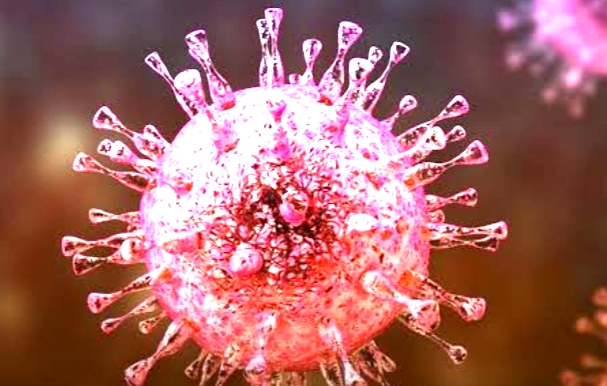
Nipah is a rare but highly lethal zoonotic virus that is primarily transmitted from fruit bats to humans, with limited human-to-human transmission.
The infection can cause severe complications such as encephalitis, with fatality rates ranging between 45-75 per cent in reported outbreaks. Experts say that while Nipah outbreaks occur almost annually in Bangladesh, there is no evidence that the virus is evolving into a highly transmissible human pathogen.
Nipah mainly affects animals such as bats, pigs, dogs and horses, but can infect humans who come into contact with infected animals or consume food contaminated by their bodily fluids. Transmission has been linked to fruits or date palm sap contaminated by bats.
In humans, Nipah typically presents with fever and inflammation of the brain and can be fatal. However, health experts emphasise that the virus is not as transmissible as Covid-19 or influenza and is unlikely to cause a large number of infections in a short period.—(The Indian Express)